


You have the dates on the calendar, the boarding reservation is made, and now the worry starts creeping in. Will your pet eat normally? What if they get anxious? What if the kennel asks for paperwork you do not have yet? That stress is common, especially when you are handing your animal over to someone else’s care for a few days or longer. A Waco and Woodway veterinarian can help you prepare with the right records and guidance.
What to discuss with your vet before boarding your pet comes down to a few core issues. Your pet’s vaccines, medications, behavior, diet, and any hidden health risks need to be clear before drop off day. A quick visit with a general veterinarian can prevent a missed boarding date, an avoidable illness, or a call in the middle of your trip because your pet is not doing well.
Your pet’s health status affects more than the boarding checklist
Many boarding facilities require proof of vaccines, but the conversation with your vet should go further than checking boxes. Your pet may technically qualify for boarding and still have a health issue that makes the stay harder than expected. A dog with mild arthritis may need a softer sleeping setup. A cat with stress related urinary problems may need extra monitoring. A pet with seasonal allergies may start scratching nonstop in a new setting.
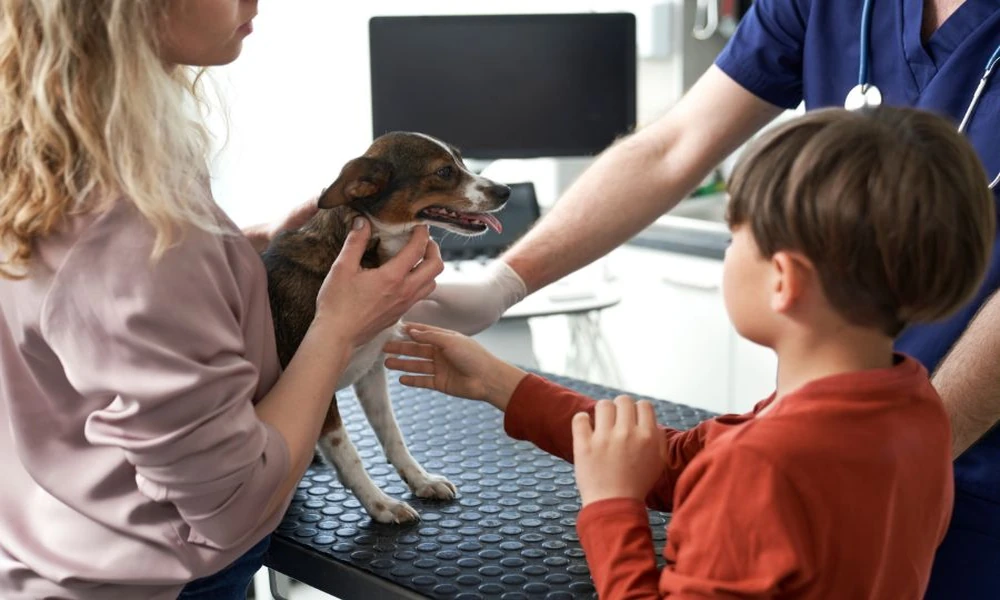
This is where a boarding prep visit helps. Your vet can review recent symptoms, confirm whether your pet is fit for group or kennel housing, and flag problems that staff should know about. If your dog coughs after being around other dogs, your vet may talk with you about kennel cough risk and whether your dog should avoid shared play areas. If your cat has stopped eating during past changes in routine, that matters too.
Questions to ask your vet before pet boarding should include more than “Are vaccines up to date?” Ask whether your pet needs a recent exam, whether stress could worsen any condition they already have, and whether the boarding facility’s environment sounds appropriate for your animal’s age and health.
Medications, feeding instructions, and behavior notes need to be precise
Boarding staff can only follow the instructions they are given. Vague directions create mistakes. “Give medicine with food” sounds simple until your pet refuses breakfast. “He gets nervous” does not tell staff that he may snap if startled while sleeping. “She is picky” does not explain that she will skip meals unless her wet food is warmed first.
Your vet can help you turn those half formed concerns into clear care instructions. Bring a list of all medications, supplements, feeding amounts, food allergies, and behavior triggers. If your pet takes insulin, seizure medication, or heart medicine, ask whether boarding is the right choice at all, or whether a medical boarding facility would be safer.
Some pets need anti anxiety support when they are away from home. That does not mean sedating them for convenience. It means discussing whether calming supplements, pheromone products, or prescription medication make sense for your specific animal. Giving a new medication for the first time at the boarding facility is risky. Your vet may suggest a trial run at home first so you can watch for side effects.
Travel and boarding rules can change with your destination
If boarding is part of a larger move or trip, your vet visit needs to cover travel rules too. State and international requirements are not always simple, and they may affect vaccine timing, health certificates, and parasite prevention. If you are crossing state lines, review the current state to state pet travel requirements. If your pet may be traveling abroad before or after boarding, check these US pet travel export FAQs.
That timing matters. A rabies vaccine given too late may not satisfy a boarding facility or a destination requirement. A health certificate may need to be issued within a specific window. Missing those details can unravel your plans fast, even when everything else is organized.
The most useful topics to cover with a veterinarian before boarding
| Topic | Why it matters | What to bring or ask |
|---|---|---|
| Vaccines and records | Boarding facilities often require current rabies and other vaccines | Bring prior records and ask if any boosters are due before boarding |
| Parasite prevention | Fleas, ticks, and intestinal parasites spread easily in shared spaces | Ask whether your pet is current on prevention and fecal testing |
| Chronic health issues | Arthritis, diabetes, seizures, and heart disease may need special handling | Ask if standard boarding is safe or if medical boarding is better |
| Diet and appetite | Routine changes can upset digestion or lead to skipped meals | Bring feeding instructions and ask how to reduce stomach upset |
| Behavior and stress | Anxiety, reactivity, or fear can affect safety and comfort | Describe triggers, past boarding experiences, and ask about calming support |
| Emergency plan | Staff need to know what to do if your pet gets sick | Ask your vet what symptoms should trigger immediate care |
Clear planning lowers the risk of problems during boarding
The goal is not perfect control. Pets still get stressed, and even good facilities cannot recreate home. The goal is fewer surprises. When your vet and the boarding staff have the same information, your pet is less likely to miss medication, eat the wrong food, or struggle through an issue nobody saw coming.
This is also where pet boarding health check advice becomes practical. A healthy young dog may need a basic vaccine review and feeding instructions. An older pet with kidney disease, mobility pain, or a history of refusing food may need a more detailed plan. The more complicated your pet’s needs are, the less you want to handle this at the last minute.
Three steps to take before drop off day
Schedule the vet visit early. Do not wait until the week of boarding. If your pet needs vaccines, lab work, or a medication adjustment, you need time to handle it without rushing.
Write out a one page care summary. Include medications, feeding directions, allergies, behavior triggers, emergency contacts, and your regular veterinarian’s information. Staff can use it quickly, and you are less likely to forget something important.
Test any new plan at home first. If your vet recommends a calming aid, diet change, or new medication, try it before boarding. You want to know how your pet responds while you are still there to watch.
Leaving your pet behind is hard, even when you trust the people caring for them. A thoughtful talk with your veterinarian makes boarding safer, calmer, and easier on both of you. If your pet has an upcoming stay, schedule a visit with a general veterinarian and get every detail sorted before drop off day.