


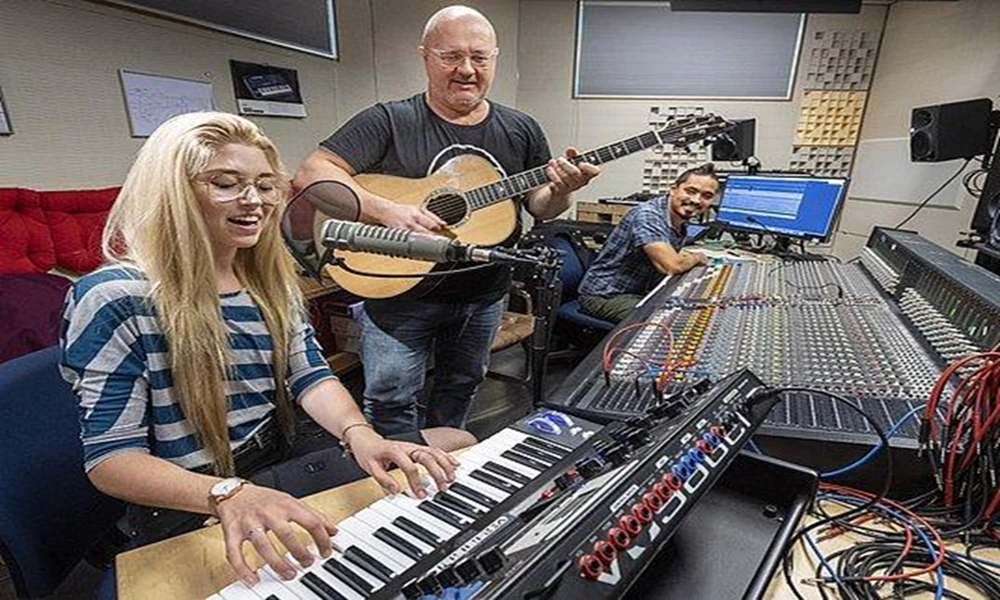
Learning to play an instrument or write a memorable song is an important achievement, but technical ability alone does not prepare someone for every challenge of a professional music career. Musicians also need to understand collaboration, recording, live performance, and the practical responsibilities involved in sharing their work with an audience.
Whether the goal is performing on stage, producing original recordings, or working behind the scenes, developing a wider range of abilities can create more opportunities.
The key is knowing which skills matter, how to improve them, and when structured learning might help.
Build a Strong Musical Foundation
A successful musical career starts with reliable fundamentals. Instrumentalists and vocalists benefit from consistent practice, while producers and songwriters need a working understanding of rhythm, harmony, arrangement, and musical structure.
These foundations make it easier to communicate with other musicians and adapt to unfamiliar projects.
However, effective practice involves more than repeating familiar exercises. Musicians should regularly challenge themselves with material outside their comfort zones.
For example, a guitarist who typically plays rock might explore jazz harmony, while a singer could practice interpreting songs across different genres.
Developing musical versatility does not mean abandoning personal style. Instead, it provides additional tools for expressing creative ideas and responding to different professional situations.
Setting measurable practice goals can also improve progress. Recording a difficult passage, reviewing the result, and identifying specific areas for improvement often provides more useful feedback than practicing without a clear objective.
Learn the Skills That Connect Music to Professional Opportunities
Musicians entering professional environments quickly discover that creativity and technical proficiency are only part of the equation.
Recording technology, digital production tools, communication, and basic business knowledge can influence how effectively someone completes projects.
A songwriter who understands recording fundamentals may communicate ideas more clearly to a producer. Similarly, a performer familiar with live sound equipment may be better prepared for rehearsals, soundchecks, and performances.
This is where identifying personal skill gaps becomes especially valuable.
Aspiring professionals can explore popular music programs covering areas such as performance, music production, audio engineering, songwriting, and music business to understand different educational pathways and the skills associated with them.
Before choosing any training opportunity, it helps to evaluate existing strengths, career interests, available time, and preferred learning methods.
Someone interested in studio engineering may prioritize recording techniques and signal flow, while an independent artist might benefit from combining songwriting, production, and music marketing.
The goal should be developing relevant competencies rather than collecting qualifications without a clear purpose.
Gain Experience Through Collaboration and Real Projects
Classroom knowledge and individual practice become more meaningful when applied to real situations.
Collaborating with other musicians introduces challenges that cannot always be recreated during solo practice. These include interpreting creative feedback, managing different working styles, and completing projects within agreed timelines.
Musicians can begin gaining this experience without waiting for a formal industry opportunity.
Joining a local ensemble, contributing to another artist’s recording, helping organize a small performance, or collaborating remotely on an original song can provide valuable practical lessons.
Each project should have a defined outcome. Rather than simply agreeing to collaborate, participants can establish responsibilities, deadlines, and expectations for the finished work.
Documenting completed projects is equally important.
Performers might maintain recordings of live appearances, while producers can organize examples of their mixing, arranging, or production work.
A thoughtful portfolio demonstrates practical ability and provides useful material when approaching collaborators, clients, or potential employers.
Understand the Business Side of Making Music
Musicians who want to pursue professional opportunities should also develop a basic understanding of how the music business operates.
Topics such as copyright, licensing, performance agreements, distribution, and payment arrangements can affect everyday professional decisions.
For instance, collaborators should discuss songwriting credits and ownership before releasing a jointly created recording. Clear communication helps prevent misunderstandings about responsibilities and future use of the material.
Independent artists may also need to manage promotional schedules, coordinate releases, communicate with venues, and track project expenses.
These activities require organizational skills that are different from musical performance but equally useful.
Developing basic business literacy does not require becoming an expert in every industry specialty. It means knowing which questions to ask, recognizing when professional advice is appropriate, and keeping accurate records.
Musicians who understand these responsibilities are generally better equipped to make informed decisions about their work.
Create a Sustainable Plan for Professional Growth
Career development in music rarely follows a perfectly predictable sequence. Goals may change as musicians discover new interests, gain experience, or encounter unexpected opportunities.
A flexible development plan can make that uncertainty easier to manage.
Start by identifying one primary career direction, such as session performance, music production, songwriting, or live event work.
Next, select a few skills that directly support that goal. A developing producer, for example, might focus on recording workflow, arrangement, and mixing before attempting to master every available production technique.
Establish practical milestones, such as finishing three original recordings, participating in a live performance, or completing a collaborative project.
Review progress regularly and adjust the plan when necessary.
Seeking constructive feedback from experienced musicians, instructors, or collaborators can also reveal weaknesses that are difficult to recognize independently.
Most importantly, balance learning with practical application. Knowledge becomes more useful when it leads to completed work, stronger relationships, and demonstrable improvement.
Conclusion
Building a professional music career involves more than developing talent in one area. Musicians benefit from combining technical ability with collaboration, recording knowledge, business awareness, and consistent practical experience.
The most effective development path depends on individual interests, existing skills, and long-term goals.
By identifying skill gaps, pursuing relevant education, completing meaningful projects, and regularly evaluating progress, aspiring musicians can make more informed decisions about their professional future.
The objective is not to learn everything at once, but to build a practical collection of skills that supports creative growth and opens the door to new opportunities.