


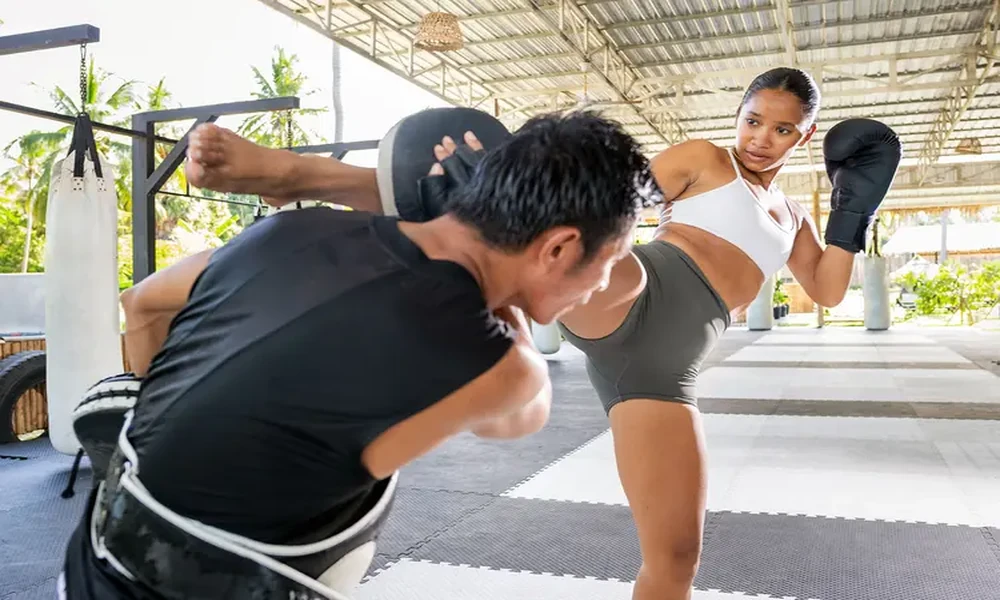
Somebody used to training in a mild climate shows up at a tropical gym and tries to run the exact same six-day schedule they had back home. By day three they’re dragging through rounds that used to feel easy. Not a fitness problem. A heat problem. And it catches way more visitors off guard than it really should.
Throw humidity into the mix, which slows sweat evaporation and makes cooling less efficient, and a session that felt moderate at home can turn genuinely hard. muay thai pattaya training in a real tropical environment just asks more of the cardiovascular system per round. Same session, different bill.
What Changes in the First Week
- Lower intensity for the first few days. Feels like a step backward. Isn’t one.
- Drink more water than feels necessary, well past what thirst alone would suggest
- Rest between rounds sometimes needs to stretch a little longer during the adjustment window
- Earlier or later sessions, avoiding the hottest stretch of the day, usually feel far more manageable
- And electrolytes matter more here than in a cooler climate, since heavy sweating drains sodium and other minerals faster
Recovery Between Sessions Needs More Attention
Heavy sweating takes more than water with it. Sodium, potassium, other electrolytes lost through sweat need replacing too, and plain water alone doesn’t do that job. Food or drinks that actually restore those minerals do. Skip this step and the next day often brings an odd, dragging fatigue, or a headache that has nothing to do with how hard yesterday’s session actually was.
Signs the Adjustment Isn’t Going Well
Unusual dizziness. A headache that rest doesn’t touch. A sudden drop in sweat output partway through a session. These are signs heat is being managed poorly, not signs of weak fitness. The fix is immediate: lower intensity, find shade, rehydrate. Pushing through on willpower tends to make heat problems worse, not better.
Once Acclimatised, Training Should Feel Normal Again
After that first stretch, sessions usually start feeling closer to how they did back home, even though nothing about the environment has actually changed. That’s the body’s adaptation doing its job. It’s also why experienced trainers tend to recommend easing in rather than going full intensity from day one.
Frequently Asked Questions
How long does heat acclimatisation actually take?
Most people notice a real improvement within one to two weeks of consistent training in the new climate. Exact timing varies though, depending on fitness level and how much heat exposure happens outside training too.
Should I reduce the number of sessions per week while adjusting?
Cutting intensity within sessions usually helps more than cutting frequency. That said, some visitors do benefit from an extra rest day or two in that first week specifically.
Is it normal to sweat much more here than at home?
Yes, and it’s actually the body doing its job. The real concern isn’t how much sweat there is. It’s whether fluid and electrolyte intake are keeping pace with what’s being lost.
Respecting that adjustment window isn’t a sign of low fitness. It’s what actually gets someone to full training intensity sooner, instead of fighting the climate and losing.