


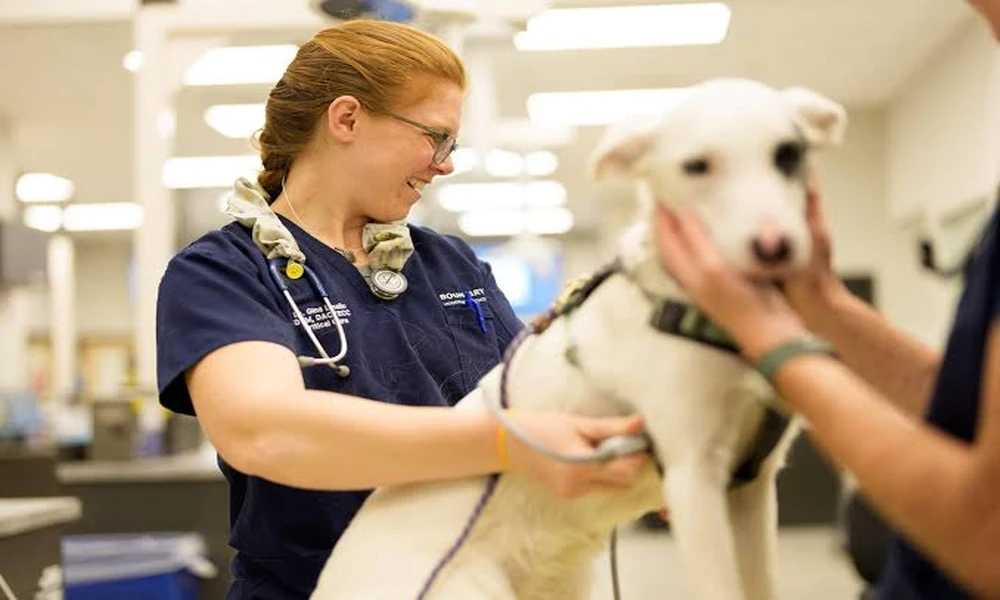
You probably think of a veterinary hospital as the place you go when your dog is limping, your cat stops eating, or a new puppy needs vaccines. That is true, but it is only part of the picture. A veterinary hospital also helps protect your block, your parks, your schools, and the people who share space with animals every day through pet wellness exams in Meridian. When pet care slips, the effects do not stay inside one home. Illness spreads, bites rise, parasites move through neighborhoods, and small problems become public ones fast.
That is the core of the connection between veterinary hospitals and community safety. Good veterinary care supports disease control, safer human and animal contact, faster emergency response, and better public health. If you have ever worried about stray animals, rabies, outbreaks, or what happens during a disaster, you are already thinking about the public safety role of a veterinary hospital.
Veterinary hospitals help stop health risks before they spread
A sick pet can affect more than one family. Some diseases pass between animals and people, which is why public health experts track zoonotic diseases so closely. Rabies, ringworm, leptospirosis, salmonella, and certain parasites can move from animals to humans under the right conditions. Children, older adults, pregnant people, and anyone with a weak immune system face higher risk.
You see the chain reaction quickly. A dog misses vaccines, then bites someone at a park. A cat with untreated parasites sheds them into a yard where kids play. A boarding kennel accepts pets without health checks, then a respiratory illness moves through dozens of animals and into many households. These are not rare, dramatic stories. They are ordinary lapses that create avoidable trouble.
Veterinary hospitals interrupt that chain. They vaccinate, diagnose, isolate contagious cases, report certain diseases when required, and educate owners before a problem spreads. That work supports veterinary care and public safety in a direct, practical way.
Animal behavior, bite prevention, and responsible ownership affect neighborhood safety
Community safety is not only about infection. It also includes aggression, fear, neglect, and the behavior issues that show up when animals are in pain or have gone too long without care. A pet that has untreated dental disease, an ear infection, or chronic stress is more likely to snap, hide, bolt, or act in ways that put people and other animals at risk.
You may have seen this play out already. A neighbor’s dog gets loose again because no one addressed anxiety or poor recall. A pet owner skips care because money is tight, then the animal’s condition gets worse, and surrender becomes the only option. Shelters, animal control, rescue groups, and families all feel the impact.
Veterinary hospitals often catch the early signs. They can spot pain that looks like “bad behavior,” guide owners on safer handling, recommend training support, and document concerns that may need follow up. The result is fewer dangerous encounters and more stable homes for pets.
Veterinary hospitals strengthen emergency readiness for the whole community
Disasters expose every weak point at once. Fires, floods, storms, chemical spills, and disease outbreaks do not separate family safety from animal safety. If people refuse evacuation because they cannot bring pets, first responders face harder rescues and more risk. If livestock or companion animals are displaced, public health and shelter systems get strained fast.
That is why emergency planning includes animal health. The USDA tracks animal emergencies because coordinated response matters during crises. Veterinary hospitals help by maintaining records, preparing emergency medications, advising on transport, supporting triage, and helping families build realistic pet disaster plans.
This is where community safety and veterinary services become impossible to separate. A prepared veterinary hospital helps a community recover faster because fewer animals are lost, fewer diseases spread in crowded conditions, and fewer owners delay life saving decisions.
Public health agencies rely on veterinary hospitals as frontline partners
Veterinary teams do not work alone. They share a lane with physicians, local health departments, shelters, and emergency managers. The CDC maintains veterinary resources for clinical and public health use because animal health settings often detect trouble early. A cluster of similar symptoms in pets can point to toxins, food contamination, vector borne illness, or a wider outbreak.
That early warning matters. When veterinarians report concerns, test suspicious cases, and counsel owners, they help the rest of the health system respond sooner. Faster response usually means lower cost, less fear, and fewer people affected.
Common community risks and how a veterinary hospital helps
| Community Risk | What Happens Without Care | How a Veterinary Hospital Helps |
|---|---|---|
| Missed vaccinations | Higher risk of rabies, parvo, distemper, and local exposure events | Provides vaccines, reminders, exposure guidance, and records |
| Untreated parasites | Spread to yards, parks, homes, and sometimes people | Diagnoses, treats, and sets prevention plans |
| Behavior linked to pain or stress | More bites, escapes, and unsafe contact | Finds medical causes, offers behavior guidance, and refers when needed |
| Disaster displacement | Delayed evacuation, lost pets, crowded shelters, disease spread | Supports planning, triage, records access, and emergency care |
| Delayed diagnosis of contagious illness | Outbreaks in homes, kennels, shelters, or neighborhoods | Tests, isolates cases, and advises on containment |
Three steps you can take right now
Update preventive care. Check your pet’s vaccines, parasite prevention, and wellness exams. If you are not sure what is current, ask for records and review them. This one step lowers risk for your household and for people your pet meets every week.
Build a pet emergency plan. Keep food, medications, carriers, leashes, and records in one easy to grab place. Add a backup caregiver in case you cannot get home. If an evacuation order comes, you do not want to make decisions while panicking.
Act early when behavior or symptoms change. Do not wait for a minor issue to become a bite, escape, or emergency visit. Sudden aggression, coughing, vomiting, limping, or lethargy can affect more than your pet. Early care usually means less suffering and fewer risks for everyone around you.
Safer communities often start with routine veterinary care
You do not need a public health crisis to see the value of a veterinary hospital. It shows up in quieter ways, in safer parks, healthier pets, fewer preventable emergencies, and neighborhoods where people and animals can live close together without constant risk. That is the real link between animal care and public safety. It is steady, local, and built through ordinary appointments that prevent bigger problems later.
If your pet is due for care, make the appointment now. A veterinary hospital protects more than one animal at a time. It helps protect the community around you too.