


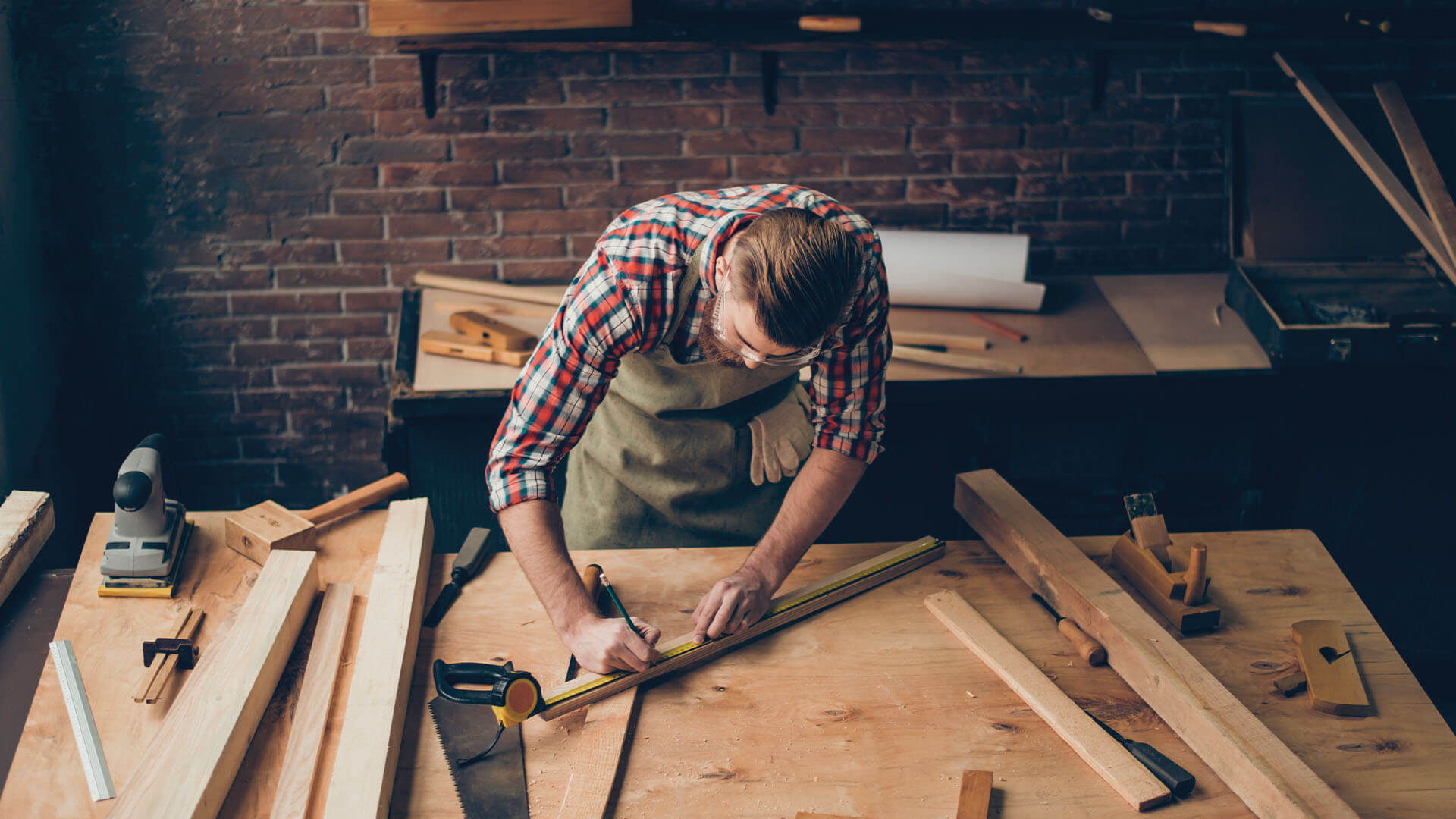
In today’s rapidly evolving construction and interior design landscape, sustainability has become more than just a trend—it’s a responsibility. Dubai, known for its luxury developments and modern architecture, is now witnessing a shift toward sustainable Carpentry Dubai. Homeowners, businesses, and designers are increasingly prioritizing eco-friendly wood and green practices to create beautiful spaces without compromising the environment.
The Rise of Sustainable Carpentry Dubai
Traditionally, carpentry involved mass-produced furniture and timber sourced without much consideration for environmental impact. However, with growing awareness of deforestation and carbon emissions, Dubai’s carpentry industry is embracing sustainability. Sustainable carpentry combines craftsmanship with environmental responsibility, focusing on using eco-friendly materials, reducing waste, and promoting energy-efficient production processes.
From residential villas to commercial spaces, architects and interior designers are now seeking carpentry solutions that balance aesthetics, functionality, and sustainability. This trend is not only environmentally responsible but also appeals to the modern consumer who values eco-conscious living.
Choosing Eco-Friendly Wood
A key aspect of sustainable carpentry is the choice of wood. Eco-friendly wood options are harvested responsibly, ensuring minimal environmental impact. Popular choices in Dubai include:
FSC-Certified Wood: Wood certified by the Forest Stewardship Council guarantees responsible forest management practices, ensuring that timber is sourced sustainably.
Bamboo: Rapidly renewable and incredibly durable, bamboo is gaining popularity in Dubai’s carpentry for flooring, cabinets, and furniture.
Reclaimed Wood: Salvaging wood from old furniture, buildings, or construction sites not only reduces waste but also adds a unique character to the final product.
Engineered Wood: Options like plywood or MDF made from recycled wood fibers reduce the need for solid timber while maintaining strength and versatility.
Using these eco-friendly materials helps reduce the carbon footprint associated with carpentry projects and promotes responsible resource management.
Green Practices in Carpentry
Beyond material selection, sustainable carpentry incorporates several green practices that reduce environmental impact:
Waste Reduction: Efficient cutting techniques and reusing offcuts minimize material wastage. Carpentry workshops in Dubai are now implementing zero-waste policies wherever possible.
Non-Toxic Finishes: Traditional wood finishes often contain harmful chemicals. Eco-friendly carpentry uses water-based varnishes, natural oils, and low-VOC paints to protect both the environment and indoor air quality.
Energy-Efficient Manufacturing: Advanced carpentry workshops are adopting energy-saving machinery, LED lighting, and renewable energy sources to reduce carbon emissions.
Durability and Longevity: Creating long-lasting furniture reduces the need for frequent replacements, which in turn lowers environmental strain. Investing in quality craftsmanship is a sustainable choice.
Benefits of Sustainable Carpentry
Sustainable carpentry offers numerous benefits for both clients and the environment:
Eco-Conscious Living: Choosing green carpentry solutions reflects a commitment to sustainability and responsible living.
Healthier Indoor Environment: Non-toxic finishes and natural materials improve indoor air quality, promoting healthier living spaces.
Cost-Effectiveness: While eco-friendly wood and practices may have a higher initial cost, durability and low maintenance ensure long-term savings.
Unique Aesthetics: Reclaimed and engineered wood allows for creative designs and unique textures, giving spaces a distinctive look.
Applications of Sustainable Carpentry in Dubai
Sustainable carpentry is versatile and can be applied across a range of projects in Dubai:
Residential Interiors: From wooden kitchens and wardrobes to eco-friendly flooring and custom furniture, homeowners can create luxurious yet environmentally responsible interiors.
Commercial Spaces: Offices, cafes, and retail stores are adopting sustainable wood for counters, shelving, and partitions to align with green building standards.
Outdoor Projects: Decks, pergolas, and garden furniture made from durable, eco-friendly materials provide long-lasting outdoor solutions without harming the environment.
Future of Eco-Friendly Carpentry in Dubai
With Dubai’s commitment to sustainability and the UAE’s broader vision for a green economy, the demand for eco-friendly carpentry is only set to rise. Future innovations may include:
Smart Wood Technologies: Combining sustainable materials with smart furniture solutions, such as modular systems and IoT-integrated designs.
Circular Economy Practices: Encouraging furniture recycling and refurbishing to minimize waste in the long term.
Certification and Standards: Increased adoption of eco-certifications to ensure transparency and credibility in sustainable carpentry.
Conclusion
Sustainable Furniture Dubai is more than a design choice—it’s a lifestyle commitment. By opting for eco-friendly wood and green practices, homeowners, businesses, and designers can contribute to a healthier environment while enjoying the elegance and functionality of high-quality carpentry. As the city continues to embrace sustainability, eco-conscious woodwork is set to redefine modern interiors, making every home and office a reflection of environmental responsibility and style.
Investing in sustainable carpentry today is not just about aesthetics; it’s about creating a legacy of eco-conscious living for generations to come.


