


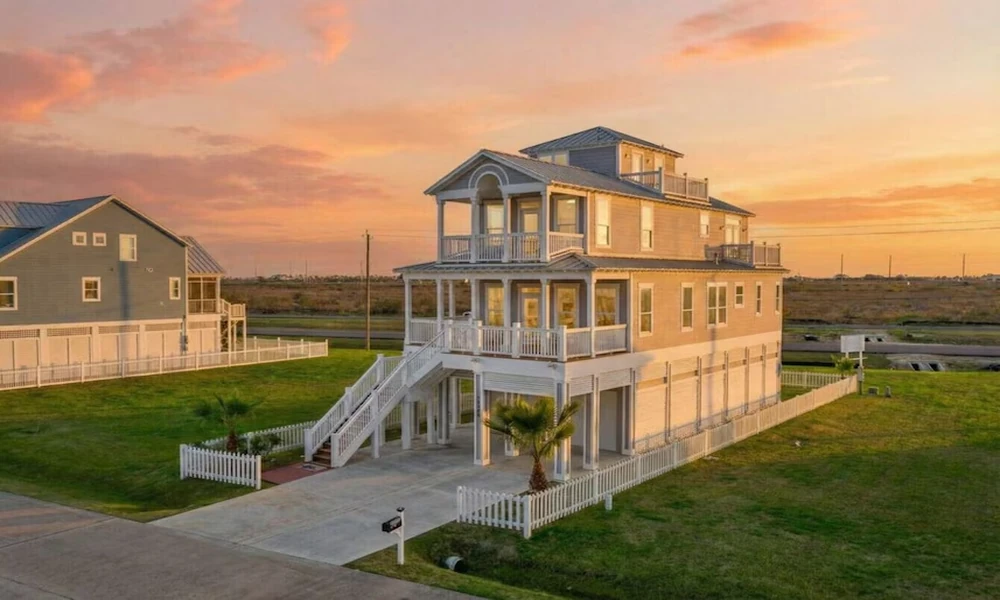
Three buyers out of ten who purchase waterfront property in Texas report being surprised by legal obligations they never saw coming. Not the price. Not the inspection. The rules. Galveston sits at the intersection of some of the most layered coastal property regulations in the country, and walking in without understanding them can turn your dream purchase into an expensive legal correction.
This isn’t a scare piece. Galveston is a genuinely compelling place to own property. But the rules here are specific, the flood zone categories carry real financial consequences, and the disclosure obligations under Texas law are stricter than most buyers expect. Get a handle on all three before you make an offer and you’ll be in a far stronger position than most people sitting across the table from a seller.
Why Galveston’s Flood Zones Are a Different Animal
FEMA designates flood zones for every county in the country, but Galveston’s mix of zone types is unusually complex for a residential buyer. Most of the island falls into either Zone AE (high-risk, still-water flooding) or Zone VE, the most severe coastal designation. VE zones carry additional exposure because they account for wave action on top of storm surge, which means your structural requirements, insurance premiums, and resale considerations are all materially different from a standard AE property.
Coastal storms can push seawater inland with little warning, and properties in VE (Velocity) zones face the most severe exposure to breaking waves. According to FEMA’s National Risk Index, Galveston County carries an estimated annual expected loss from inland flooding alone of over $63 million. That figure doesn’t include wave damage in VE zones, which compounds the risk well beyond still-water flooding calculations.
To help coastal communities understand and reduce their flood risk, FEMA has initiated coastal flood risk studies for 100 percent of the populated coastline , and flood maps help mortgage lenders determine insurance requirements and help communities develop strategies for reducing their risk, while also helping you make more informed decisions about how to manage it. The FEMA Flood Map Service Center at fema.gov/flood-maps is your first stop for checking any Galveston address before you put down earnest money.
Coastal flood maps are among the most frequently updated in the FEMA system, as shoreline erosion and new storm surge modeling refine the boundaries. Letters of Map Revision may shift VE and AE zone boundaries after major storms or updated coastal studies. That last point matters: a property that sits just inside Zone X today could be redesignated into Zone AE after the next coastal study. Locking in flood insurance before a zone change is one of the smarter moves a buyer can make.
Texas Disclosure Law Is More Demanding Than You Think
Texas has some of the most detailed flood disclosure requirements for residential real estate transactions in the country. A 2022 FEMA analysis of state real estate disclosure laws found that Texas is one of only five states with the most flood risk disclosure requirements nationwide.
Under Texas Property Code Section 5.008, sellers must hand buyers a written disclosure notice covering the property’s known condition. For Galveston properties specifically, that means a lot more than a checkbox. Sellers must disclose the FEMA flood zone designation (both 100-year and 500-year), previous flooding from a reservoir breach, water penetration from natural flood events, flood insurance claims filed, and FEMA or SBA assistance received. Miss any of those, and the seller isn’t just facing an awkward conversation.
Coastal properties near the Gulf of Mexico require additional disclosures under the Open Beaches Act and Dune Protection Act. Those two statutes affect far more transactions than buyers realize. The Open Beaches Act preserves public access to the wet beach area even when a private structure sits nearby, which can affect boundary rights, what you can build, and in some cases, whether a structure can legally remain after a storm shifts the vegetation line. The Dune Protection Act adds another layer for anything near the foredune ridge. Both require careful legal review before closing, not after.
Sellers who fail to disclose known defects may face liability under the Deceptive Trade Practices Act, fraud claims, and civil liability for damages. That sword cuts both ways. As a buyer, it gives you real recourse. As a seller, it’s a reason to complete the disclosure form with counsel, not guesswork.
Galveston’s Claim History Tells the Real Story
Abstract zone designations become a lot more concrete when you look at actual NFIP claim data. The numbers for Galveston County are significant, and every serious buyer should see them before they sign anything.
| Metric | Galveston County |
|---|---|
| Total NFIP flood insurance claims since 1978 | 60,618 |
| Total NFIP payout since 1978 | $2.4 billion |
| Properties with multiple flood insurance losses | 3,277 |
| Severe repetitive loss properties | 496 |
| Federal flood-related disaster declarations | 21 |
Source: OpenFEMA NFIP Claims data via fludzone.com, sourced February 2026.
Galveston County has 3,277 properties with multiple flood insurance losses, including 496 severe repetitive loss properties, and has recorded 60,618 NFIP flood insurance claims since 1978, totaling $2.4 billion in payouts. Those “severe repetitive loss” properties are a particular red flag. Federal rules restrict what you can do with them, and insurance costs on those structures can be eye-watering.
The VE Zone Pre-Offer Checklist
Before making an offer on any Galveston property in a VE or AE zone, run through each of these. This framework won’t replace legal review, but it will stop you from skipping the questions that matter most.
- Get the flood zone designation in writing from the current FEMA flood map, not the seller’s memory.
- Request the elevation certificate. Without it, your lender cannot accurately determine your premium, and you may be flying blind on real insurance costs.
- Ask for full NFIP claims history on the property, which the seller is legally required to disclose under Texas Property Code Section 5.008.
- Check for severe repetitive loss status. FEMA’s records are public, and this designation changes your options dramatically.
- Review the Open Beaches Act boundary. On barrier islands like Galveston, the public beach easement line shifts after every major storm. Know where it sits before closing.
- Verify any additions or renovations meet current floodplain ordinances. Unpermitted work in a VE zone can trigger costly compliance orders after purchase.
Why Population Growth Makes This More Urgent, Not Less
One reason buyers sometimes skip this homework is that Galveston feels like a stable, desirable market and they don’t want to lose a property to due diligence. That instinct isn’t entirely wrong. For the third consecutive year, Texas saw a larger population increase than any other state according to U.S. Census Bureau estimates, with the state’s overall population growing by 391,243 between July 2024 and July 2025. Coastal Texas benefits from that sustained demand.
But demand does not eliminate legal risk on individual properties. Two houses on the same Galveston block can have completely different flood designations, elevation certificates, claim histories, and legal encumbrances under the Open Beaches Act. The market pressure to move fast is real. That pressure is exactly why working with Galveston real estate attorneys who know the local regulatory landscape matters more here than in most Texas markets.
Closing Without Surprises
Nobody buys a coastal property hoping to become an expert in FEMA flood zones and Texas property code. But Galveston’s legal framework rewards preparation. Buyers who understand what Zone VE actually means, who read the full seller disclosure before countering, and who get the elevation certificate before the appraisal are consistently in a better position at the closing table and far less likely to face expensive surprises after the keys change hands.
The rules here are demanding by design. The coastline is worth protecting, and so is your investment. Which legal issue matters most for your specific property?