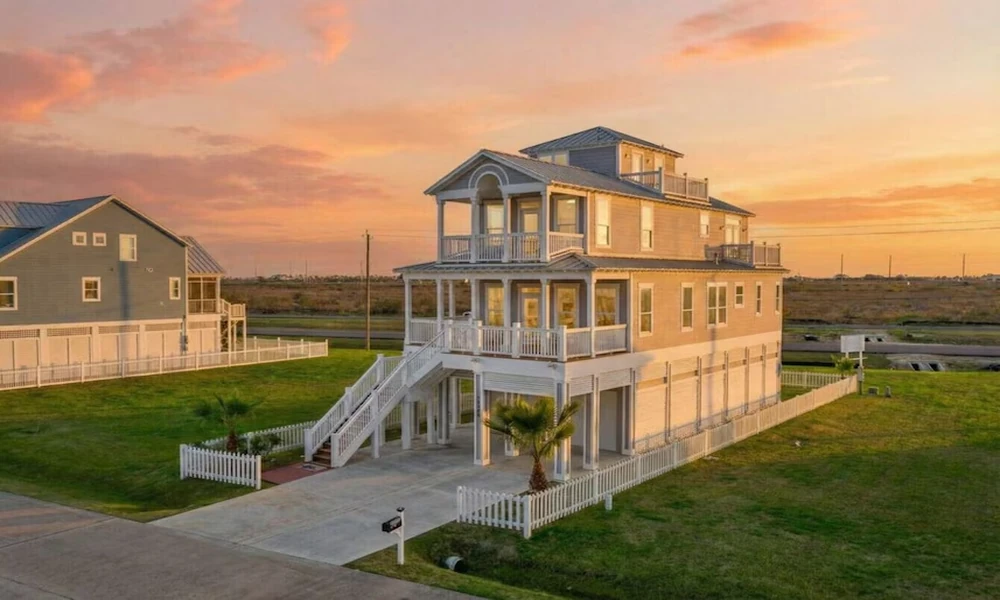


For many people, a home is much more than just a structure with walls and a roof. It represents a lifestyle, a community, and a long-term financial anchor. In recent years, a noticeable shift has occurred in the real estate market, steering buyers away from isolated suburban lots. They are gravitating toward thoughtfully designed environments where every detail serves a purpose. A master-planned community offers this exact proposition by blending residential comfort with accessible amenities. This carefully orchestrated approach to living creates a sense of place that standard subdivisions often lack.
A Lifestyle Woven into the Landscape
A master-planned community distinguishes itself through intentional design that connects daily life to the outdoors. Developers typically integrate extensive trail systems, greenbelts, and parks directly into the neighborhood layout. Communities like The Gables from Biltmore Homes often preserve natural features like mature trees and waterways, transforming common areas into scenic retreats. This commitment to natural beauty creates a park-like atmosphere that feels miles away from the bustle of city traffic. Consequently, the seamless connection between home and nature supports a healthier and more active daily routine.
The Financial Logic of Quality Management
The long-term financial health of a neighborhood often depends on the standards upheld by its association. A homeowners association within a master-planned setting actively protects architectural integrity and common area upkeep. Strict enforcement of design guidelines prevents the visual clutter and neglect that can erode property prices over time. A strong association also manages budgets for shared amenities, ensuring pools, clubhouses, and landscaping remain pristine. This collective financial planning removes the burden of major unexpected repairs from individual homeowners. Buyers therefore enjoy a predictable expense structure while their investment remains shielded from surrounding decline.
Resort-Class Amenities as a Standard
One of the strongest draws for homebuyers is access to facilities that replicate a high-end vacation experience. A community pool complex often rivals a water park, featuring lazy rivers, lap lanes, and shaded cabanas. State-of-the-art fitness centers eliminate the need for costly external gym memberships and save commuting time. Social calendars managed by a dedicated lifestyle director fill the weeks with food truck nights, yoga classes, and holiday festivals. These shared spaces act as social magnets, making it effortless for newcomers to form connections and build friendships.
Thinking Ahead with Mixed-Use Integration
Modern buyers place a high premium on convenience, and master-planned communities likeThe Gables from Biltmore Homes are increasingly answering with integrated commercial spaces. A short walk or golf cart ride often leads to a town center with cafes, boutiques, and essential medical services. This pedestrian-friendly model reduces the daily grind of sitting in traffic for basic errands. Developers often reserve land for future schools or fire stations, proving a commitment to long-term civic functionality. This strategic mix of residential and commercial planning supports a live-work-play dynamic that holds immense appeal.
A Strong Social Fabric in a Digital Age
Despite the prevalence of screens, human beings crave genuine interaction, a need that physical design can foster. Master-planned communities like The Gables from Biltmore Homes counteract social isolation by creating organic collision points like dog parks and community gardens. Frequent, low-pressure events turn strangers into familiar faces and then into a reliable support network. This sense of belonging translates directly into sticky home values, as people rarely leave a neighborhood they deeply love. A tight-knit environment also provides a safer atmosphere where neighbors naturally watch out for one another.
The decision to purchase a home involves equal parts emotion and economics. Homebuyers seek a place that will shelter their families and grow in value through every season of life. A master-planned community delivers this by curating a holistic experience where every park, path, and porch contributes to a greater whole.