


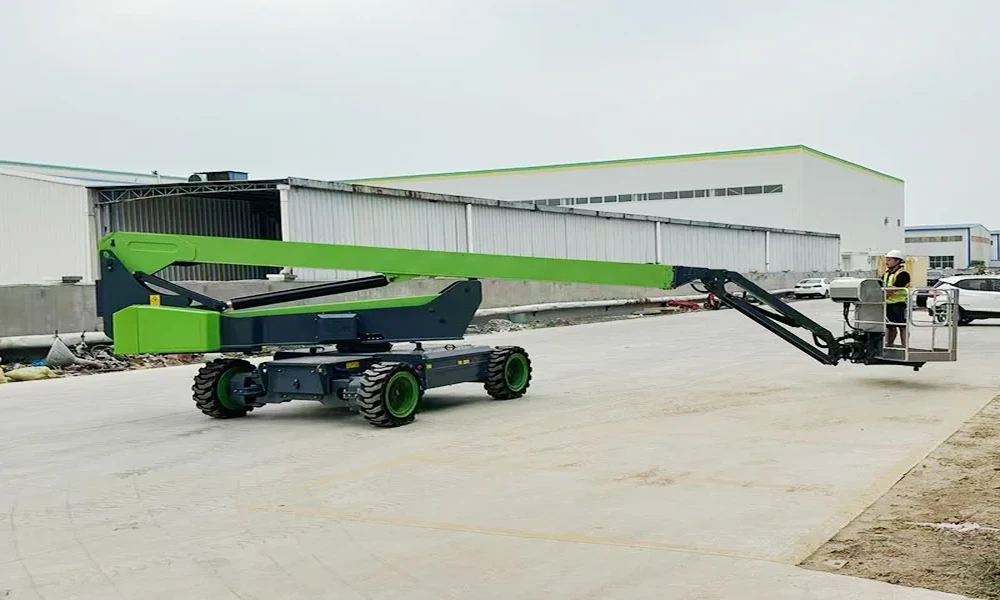
Project success often depends on equipment that matches the scope of the work. A boom truck that is too small may struggle with heavy loads, while an oversized option can create unnecessary costs and reduce efficiency. Careful planning helps avoid delays and supports safer lifting across different job sites.
Project planners often compare the best boom trucks for rent before making a final decision because capacity, reach, and site conditions all affect performance. A clear evaluation of these factors helps match equipment to the actual demands of the job. This article explains the key points that determine which boom truck size suits different project requirements.
Match Truck Capacity to Load Weight
Every project begins with a clear estimate of the heaviest material that requires lifting. Steel beams, roofing supplies, HVAC units, and construction materials vary greatly in weight, so accurate calculations remain essential. Equipment capacity should always exceed the expected load to maintain a safe working margin. Lift charts provide valuable information about maximum lifting limits at different boom angles and distances. A truck may support a heavy load close to its base but handle much less weight at full extension. Careful review of these specifications prevents unexpected limitations during the project.
Compare Boom Reach for Job Site Needs
The required lifting height often determines the appropriate boom truck size. Construction near multi-story buildings demands greater vertical reach than ground-level material placement. Selecting suitable reach helps crews complete tasks without unnecessary equipment changes.
Projects That Require Greater Height
High-rise maintenance, utility work, and commercial roofing usually require extended boom lengths. Extra reach allows materials to reach elevated work areas while reducing repositioning time. Efficient placement supports steady project progress.
Jobs That Need Moderate Reach
Residential construction, warehouse maintenance, and equipment delivery often require moderate lifting heights. A smaller boom truck can complete these tasks efficiently while offering easier movement around tighter work zones. Proper sizing also simplifies transportation between locations.
Evaluate Available Job Site Space
Available space plays a major role in equipment selection. Narrow streets, limited parking areas, and nearby structures may restrict truck positioning during lifting operations. Compact equipment often provides greater flexibility in crowded environments. Ground conditions deserve equal attention before equipment arrives. Soft soil, uneven surfaces, or sloped areas can affect stability during lifting tasks. Site preparation supports safe operation and helps crews complete work without unnecessary interruptions.
Consider Material Type and Lift Frequency
Projects that require frequent lifts throughout the day often benefit from equipment that balances lifting strength with mobility. Short travel distances between lifting points allow faster work without repeated setup delays. Efficient movement supports better productivity across large job sites. Different materials also influence equipment selection. Fragile mechanical equipment, long steel sections, or bundled construction supplies each require suitable lifting capacity and boom control. Proper equipment selection protects valuable materials from unnecessary damage.
Use Project Scope as the Final Guide
Project scope combines every important factor into one practical decision. Load weight, lifting height, site access, and work frequency all influence the correct boom truck size. Balanced planning reduces equipment changes and improves daily operations. Contractors often compare the best boom trucks for rent after reviewing project details because different models suit different lifting demands. A thoughtful comparison helps match equipment capabilities to the actual work instead of relying on estimates alone. Careful preparation supports smoother project execution from the first lift until the final task.
Equipment selection becomes much easier after a careful review of project requirements instead of simple capacity numbers. Load size, boom reach, available space, and access conditions each contribute to the right decision for every job. A practical evaluation also supports safer lifting and more efficient scheduling. Every project benefits from equipment that fits the work instead of exceeding or falling short of actual needs. Clear planning reduces unexpected delays while supporting reliable performance throughout the entire project. A well-matched boom truck creates greater confidence from the first lift to the final delivery.